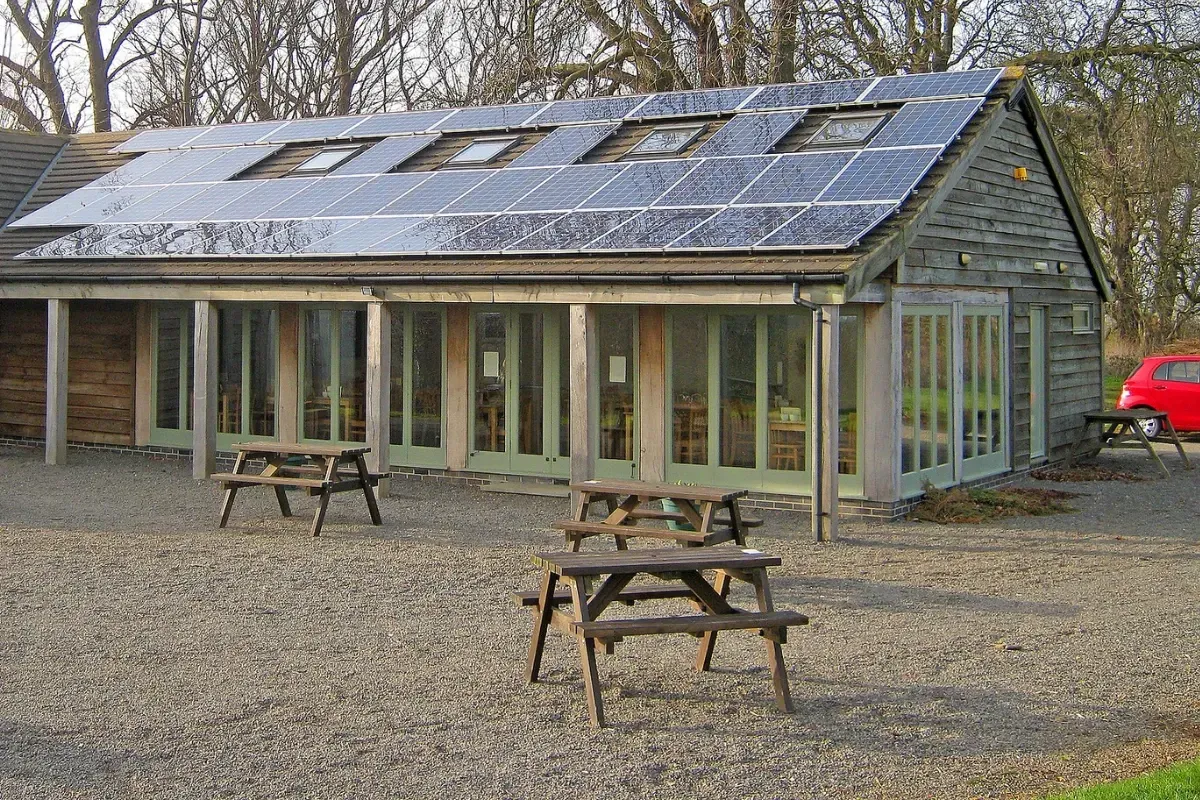
Is Solar Viable for Edinburgh Shops and Cafes?
Edinburgh's shops and cafes face a unique challenge: rising electricity costs in a city where every building tells a story. Running a coffee shop near the Meadows or a boutique along Leith Walk means your energy bills compete with rent and staff for precious margin. Solar panels offer a way to cut costs while working within a city that values its architectural heritage as much as its environmental ambitions.
Quick Take: Yes, solar works for Edinburgh shops and cafes that own their premises. Despite our northern latitude and heritage constraints, businesses typically see 7-10 year payback periods with panels lasting 25+ years.
Table of Contents
Solar for Small Shops and Cafés: Who It Makes Sense For
How Much Electricity Do Small Shops and Cafés Use?
What Size Solar System Do You Need for a Small Business?
Costs, Payback Period, and Typical Savings in Edinburgh
Solar Options for Shops and Cafés: Roof Solar vs Battery vs Solar Carports
Can You Install Solar on a Shopfront or a Flat Roof in Edinburgh
Solar for Small Shops and Cafés: Who It Makes Sense For
The sweet spot for solar in Edinburgh? Businesses pulling serious daytime electricity. If you're grinding coffee beans at 8am in Stockbridge, keeping display fridges cold in Leith, or running ovens all afternoon in South Edinburgh, you're already aligned with when panels produce power. Peak consumption matches peak generation.
Ownership or lease length matters enormously. You need 7-10 years minimum to see proper returns. If you own your premises or have a decade-plus lease, the economics work well. Property owners particularly benefit because the installation adds building value.
Edinburgh customers care about sustainability. Research confirms that businesses view panels as marketing assets, not just energy infrastructure. Visible environmental commitment resonates with Edinburgh's environmentally conscious population.
Edinburgh's architectural heritage creates unique constraints. If you're in the Old Town or New Town conservation areas, planning permission becomes more involved. Listed buildings face additional scrutiny. But many Edinburgh commercial properties have flat or rear-facing roofs that avoid these restrictions entirely.
What's changed the equation? Installation prices have collapsed while electricity rates have climbed. Even accounting for Edinburgh's latitude at 56°N, modern panels extract remarkable output from our extended summer daylight. Those nearly 18-hour June days work overtime for you.
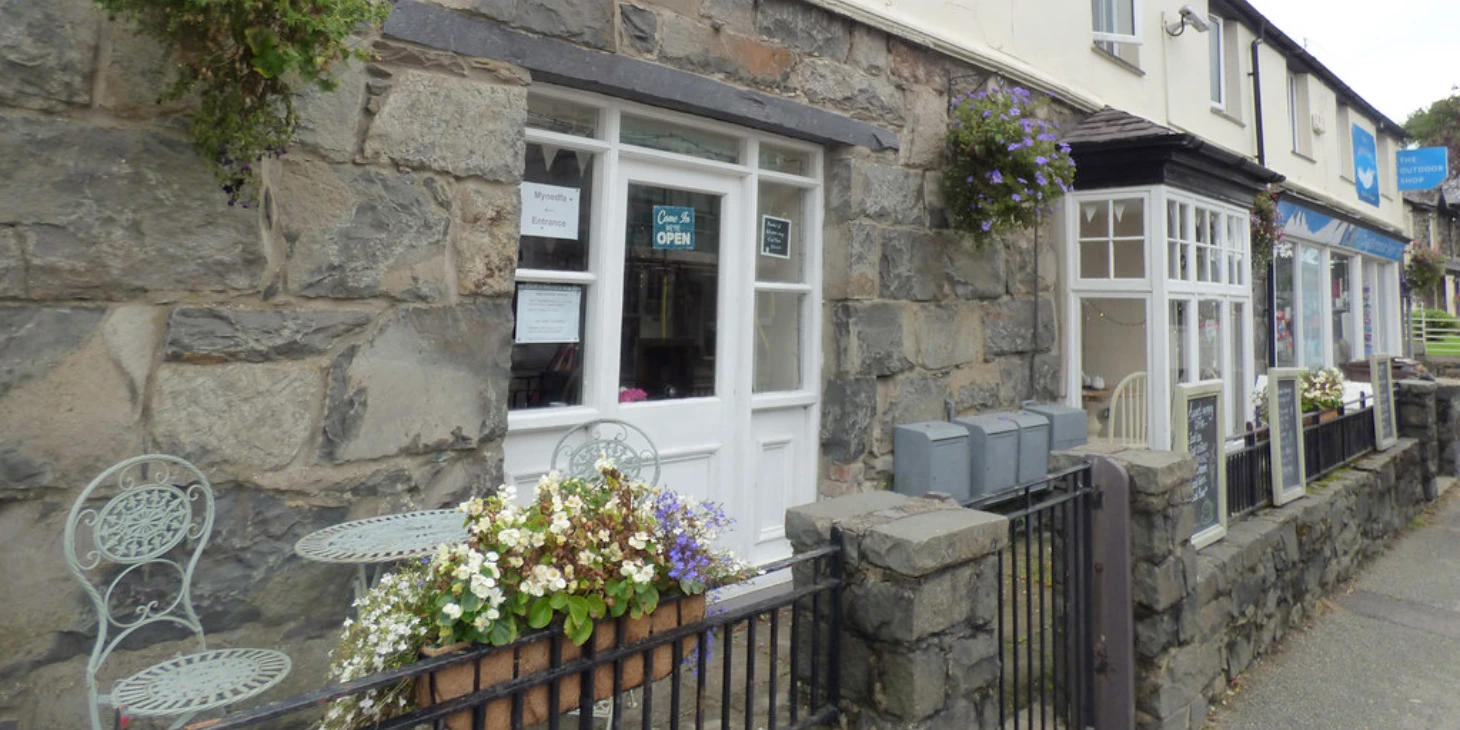
How Much Electricity Do Small Shops and Cafés Use?
Pull last year's electricity bills and find your total kWh. That's your baseline. Edinburgh businesses vary wildly depending on what you're actually doing.
A compact boutique might use 10,000-15,000 kWh annually. Slightly larger retail premises, around 1,000 square feet, hit about 14,000 kWh per year. Scale that to 2,000 square feet and you're looking at 28,000 kWh. Retail typically consumes about 14.3 kWh per square foot annually. Most small businesses land between 15,000-25,000 kWh per year.
Cafes operate differently. A commercial espresso machine pulls constant power. Add ovens, extraction systems, and walk-in fridges, and your energy footprint multiplies. A modest Edinburgh cafe can easily consume 30,000-40,000 kWh annually. Larger establishments with full kitchens hit 50,000+ kWh. One commercial deep fryer alone consumes 18,000 kWh per year.
Check your actual bills rather than guessing. A cafe in East Edinburgh with breakfast and lunch rushes has different needs than a restaurant in West Edinburgh serving dinner crowds.
What Size Solar System Do You Need for a Small Business?
In Edinburgh's climate at 56°N, each kilowatt of installed capacity generates roughly 850-950 kWh annually. If your shop consumes 20,000 kWh per year, divide that by 900 to get approximately 22 kW needed for full offset. A cafe using 40,000 kWh needs roughly 44 kW.
But full offset isn't always possible. Edinburgh's commercial properties often have space constraints. Each kilowatt requires 5-7 square metres of space. A 10 kW installation needs 50-70 m² of roof area. A standard panel measures about 1.7m x 1.0m and produces 350-450W.
Most Edinburgh shops and cafes install between 5-30 kW. A 10 kW system costs £8,000-£12,000 installed and generates around 8,500-9,500 kWh per year. That's roughly half a typical retail shop's consumption, or a quarter of what a busy cafe uses.
Self-consumption rates matter more than total capacity. Panels generate during daylight. If your business operates 9am to 5pm, consumption aligns with generation. You're using power as it's produced, which is far more valuable than exporting it at low rates. Cafes serving breakfast and lunch? Perfect alignment. Restaurants focusing on dinner? Less ideal without battery storage.
Edinburgh's latitude creates interesting seasonal patterns. June brings nearly 18 hours of daylight, generating far more than most businesses consume. Winter brings shorter days and lower generation when heating loads increase. Battery storage helps smooth these variations.
Costs, Payback Period, and Typical Savings in Edinburgh
Commercial solar now costs £800-£1,200 per kW installed in Edinburgh. A 10 kW system runs £8,000-£12,000 total. Scale that to 20 kW for a larger cafe and you're looking at £16,000-£24,000.
Payback typically happens in 7-10 years for Edinburgh businesses. With commercial electricity rates at 22-25p per kWh, many achieve payback closer to the 7-year mark. Some businesses report even faster returns when conditions align well.
Take a cafe near the Meadows using 35,000 kWh annually. At 24p per kWh, that's £8,400 per year in electricity costs. They install a 25 kW system for £22,000 that generates 22,000 kWh annually. With 70% self-consumption (15,400 kWh), they're saving £3,696 annually on grid purchases. Add Smart Export Guarantee payments for the exported 30% (around £250-400 per year), and total annual benefit reaches roughly £3,900-£4,100. Payback happens in approximately 5-6 years.
After payback, you're essentially getting free electricity for another 15-20 years. Panels carry 25-year performance warranties as standard. That Meadows cafe, after recovering its £22,000 investment in 6 years, could save another £75,000+ over the remaining panel lifespan.
Beyond savings, solar provides protection against price volatility. By generating your own power, you're insulated from wholesale market swings. Battery storage strengthens the case further by boosting self-consumption rates.
Solar Options for Shops and Cafés: Roof Solar vs Battery vs Solar Carports
Rooftop installations dominate commercial solar in Edinburgh. They're the most cost-effective option per kilowatt. Panels mount directly on your existing roof structure. For shops along terraced streets, rooftop remains the only practical choice.
Pitched roofs perform well when south-facing. Flat roofs are ideal because panels can be angled optimally at 30-35 degrees without affecting the building's street appearance. This matters in conservation areas where visible alterations face scrutiny. A flat roof installation behind a Georgian facade often requires no planning permission.
Main considerations are structural integrity and shading. Edinburgh's older commercial buildings need proper assessment before adding panel weight. Modern panel technology handles partial shading better than older generations.
Battery storage transforms how you use solar. Without batteries, excess production gets exported at rates far below what you pay for imported electricity. With storage, you can capture afternoon surplus and discharge it during evening trading or overnight.
Self-consumption rates jump from 40-60% up to 70-85% with properly sized batteries. There's also resilience: batteries provide backup during power cuts. The trade-off is cost: commercial battery systems add £5,000-£15,000 and have 10-15 year lifespans before replacement.
Solar carports suit businesses with dedicated parking areas. These elevated steel structures support panels above parking bays. They make a visible environmental statement but cost two to three times more per kilowatt than rooftop installations and typically need planning permission.
For most Edinburgh shops and cafes, start with rooftop panels. If consumption patterns justify it and budget allows, add battery storage to boost self-consumption.
Can You Install Solar on a Shopfront or a Flat Roof in Edinburgh
Shopfront installations (facade-mounted panels) are technically feasible but rarely advisable. Any visible alteration to a shopfront facing a public highway typically requires planning permission. In conservation areas—which cover substantial portions of central Edinburgh—restrictions tighten further. Listed buildings face additional scrutiny through Historic Environment Scotland.
Edinburgh's UNESCO World Heritage status means planning authorities take architectural character seriously. Beyond regulatory hurdles, facade-mounted panels produce significantly less electricity due to vertical orientation. Most Edinburgh shopfronts face north-south along traditional streets, making north-facing panels particularly inefficient at Scotland's latitude.
Flat roofs are excellent for solar. Panels mount on angled racking or ballasted systems that tilt them toward the optimal angle (typically 30-35 degrees south-facing). Ballasted systems use weighted blocks to secure racking without penetrating the roof membrane, avoiding leak risks. Most commercial flat roofs handle the load easily—typically 20-40 kg per square metre.
The beauty of flat roofs is invisibility. When panels sit behind parapet walls or aren't visible from street level, they usually qualify as permitted development. You avoid planning permission entirely in most cases outside conservation areas. Even within conservation areas, rear-of-building flat roofs often proceed without issues.
One technical advantage: flat roofs allow precise row spacing to prevent self-shading. You can optimise the layout for maximum annual generation. Whether you're dealing with a protected Georgian building in the New Town or a modern unit in West Edinburgh, flat roofs offer the most straightforward path to solar.
Final Thoughts on Solar for Small Shops and Cafés
Edinburgh sits at an interesting crossroads: a city that values architectural heritage while pushing toward ambitious environmental goals. Solar energy bridges these priorities.
The technology has matured. Costs have fallen dramatically while panel efficiency has improved. Edinburgh's climate generates solid returns when you account for extended summer daylight. Those nearly 18-hour June days offset our lower winter sun angles.
The financial case is straightforward. Payback periods of 6-10 years followed by 15-20 years of essentially free electricity create compelling returns. For small businesses on tight margins, cutting electricity costs by 30-50% provides genuine breathing room. You're also locking in predictable energy costs for decades.
Edinburgh's customers increasingly expect environmental responsibility. Visible solar installations signal commitment to sustainability in a city that takes these issues seriously.
The regulatory landscape, while more complex than in some UK cities, rarely proves insurmountable. Most commercial installations proceed smoothly, particularly when designed to respect Edinburgh's character.
Start with proper assessment. Have professionals survey your premises, review your consumption patterns, and provide realistic proposals. This isn't about sacrificing Edinburgh's heritage for environmental goals. It's about powering the city's future while honouring what makes it special.
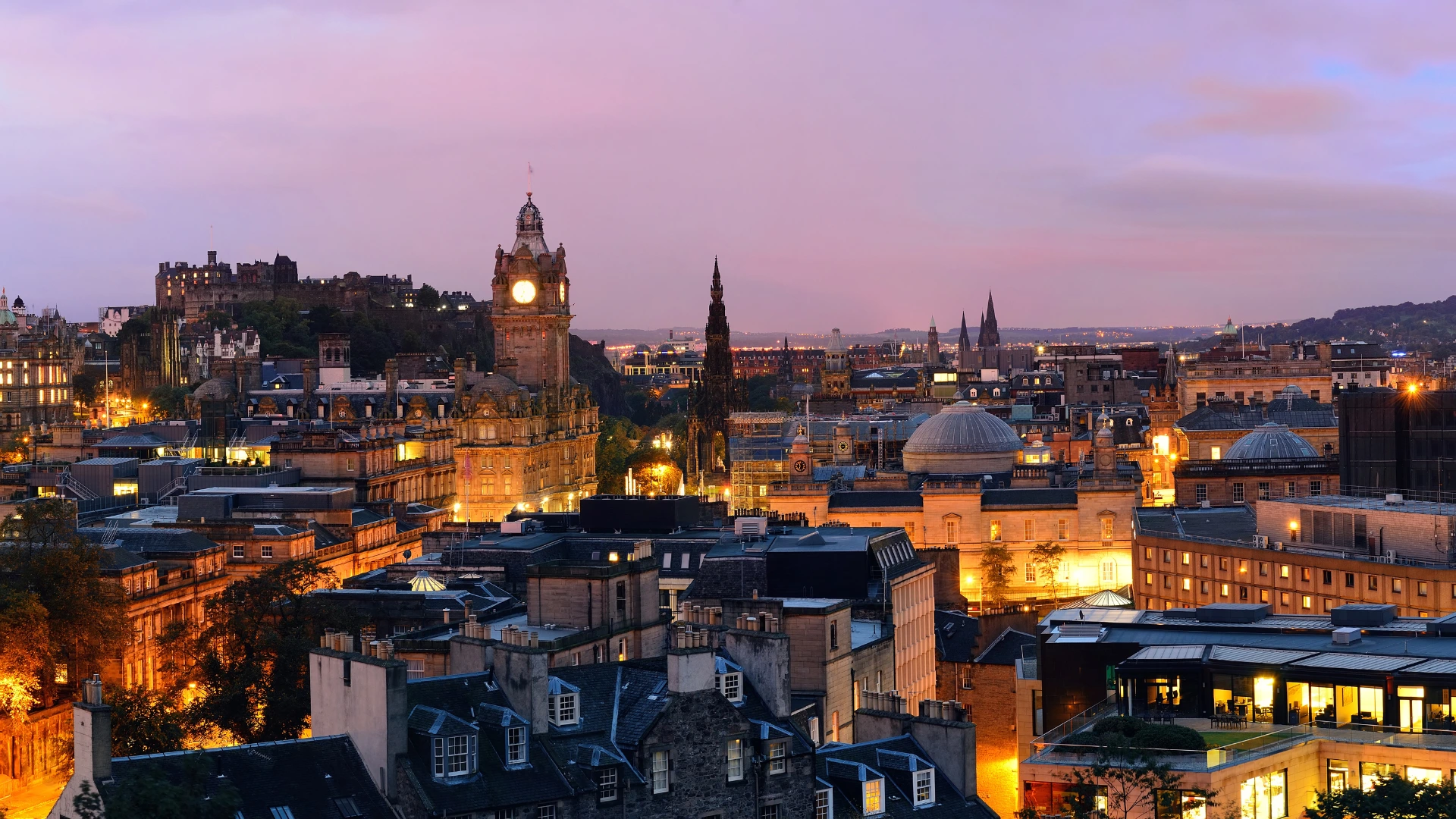
Solar for Small Shops and Cafés FAQs
Do I need planning permission for solar panels on my shop?
Most roof installations don't require planning permission if panels aren't visible from street level. Exceptions are conservation areas (Old Town, New Town, many neighbourhood high streets), listed buildings, and facade-facing installations. Edinburgh's planning authority takes the city's UNESCO World Heritage status seriously. When in doubt, contact us for guidance.
What's the typical return on investment?
Edinburgh shops and cafes typically see payback in 6-10 years. After payback, you get 15-20+ years of essentially free electricity. Over the full panel lifespan, total returns typically reach 3-5 times your initial investment.
Can I get solar if I don't own my premises?
You'll need landlord approval in writing. Review your lease for clauses about alterations. Leases with 10+ years remaining make better financial sense. Get clear agreement on installation ownership, what happens when the lease ends, and who handles ongoing maintenance.
How much roof space do I need?
Each kilowatt requires roughly 5-7 square metres. A 10 kW system needs 50-70 m². Individual panels measure approximately 1.7m x 1.0m and produce 350-450W. Edinburgh's compact properties may be constrained, but even small systems deliver worthwhile savings.
Will solar panels work during cloudy weather?
Yes, panels generate from daylight rather than direct sunshine. On overcast days, output drops to 10-30% of peak capacity, but generation continues. Edinburgh's climate includes haar from the Firth of Forth and grey days, but annual production matters. Modern panels perform reliably in diffuse light.
What maintenance do panels require?
Very little. Panels have no moving parts. Edinburgh's regular rainfall keeps them reasonably clean. Main maintenance is inverter replacement after 10-15 years, costing £1,000-£2,500. Maintenance requirements are minimal.
Can panels power my shop during blackouts?
Standard grid-tied systems shut down during power cuts for safety. If you want backup power, you'll need battery storage with a hybrid inverter that can detect grid failure and switch to island mode. This adds £5,000-£15,000 but provides valuable insurance during Edinburgh's occasional winter storms.
How long do panels last?
Panels typically last 25-30+ years with gradual degradation. After 25 years, they usually still produce 85-90% of original output. The panels will likely outlast most other business equipment you purchase.
What happens to my system if I sell my business?
Installations typically transfer with the property, adding value for prospective buyers. A building with proven lower operating costs is more attractive. Document everything: system specifications, warranties, generation data, and maintenance records.
Are there grants or incentives?
The Feed-in Tariff closed, but the Smart Export Guarantee (SEG) compensates you for excess electricity exported to the grid. Rates vary by supplier, typically 4-15p per kWh. Businesses can claim capital allowances, deducting system costs from taxable profits. Check with our team for current Scottish government programmes.
