Need Lightning Protection For Solar in Edinburgh?
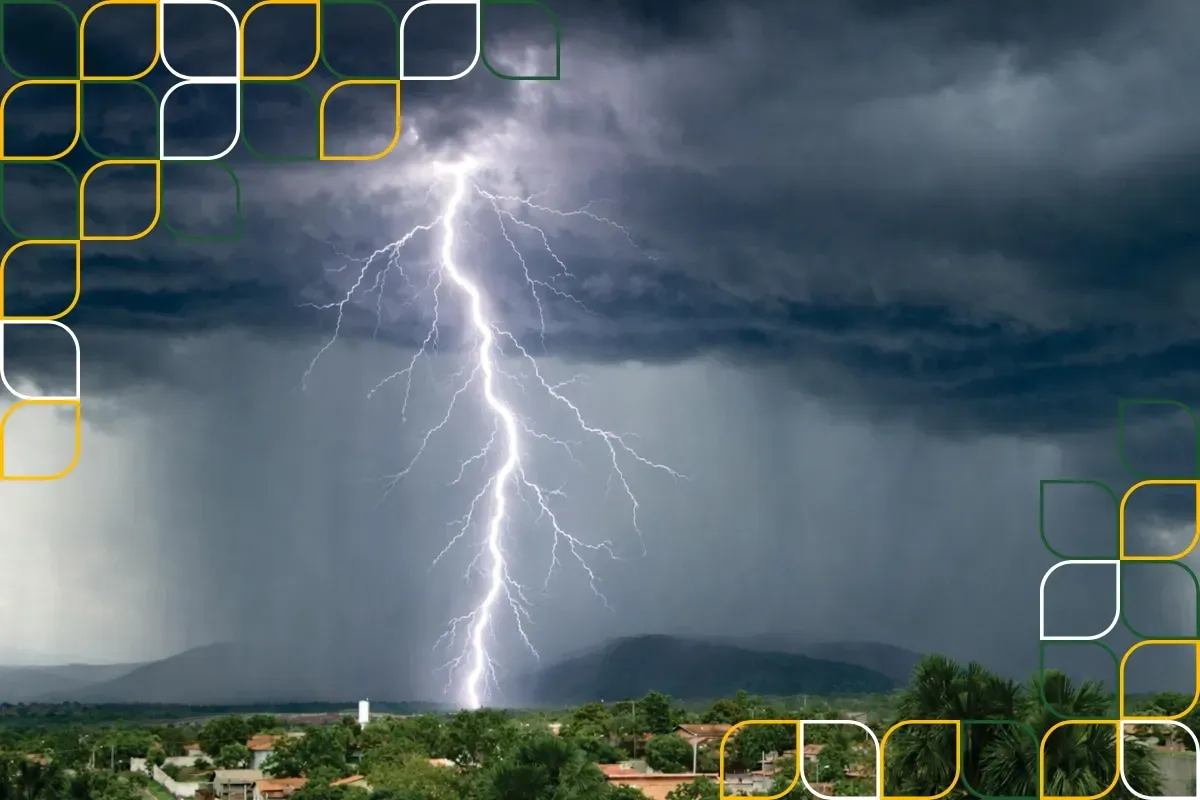
Edinburgh isn't the UK's lightning capital, but that's not the full picture. The city's elevated terrain, exposed coastal position, and the sheer complexity of its building stock create conditions that make lightning protection for solar panels a serious consideration. One surge, whether from a nearby ground strike or a voltage spike travelling in along your wiring, can write off your inverter, take out your monitoring system, and leave your solar installation completely dead. The right protection can stop all of that before it starts.
Quick take: Solar panels don't attract lightning, but they are vulnerable to it. UK rules require a lightning risk assessment for every certified solar installation, and most systems will need surge protection devices at minimum. This blog covers what can go wrong, what the main protection components are, and what good practice looks like for Edinburgh homeowners and businesses.
Table of Contents
Why Lightning Protection Matters for Solar Panels in Edinburgh
Can Lightning Damage Solar Panels?
Common Causes of Lightning-Related Solar Damage in Edinburgh
Key Components of a Solar Lightning Protection System
How Surge Protection Devices Protect Solar Panels
Best Practices for Installing Solar Lightning Protection
Why Lightning Protection Matters for Solar Panels in Edinburgh
Scotland generally sees fewer thunderstorm days than the east of England, but lower frequency doesn't mean lower risk. Edinburgh's geography adds its own complications. The city sits at 56°N, regularly exposed to Atlantic weather systems that bring fast-moving electrical storms. Properties on elevated ground, including those on or near Blackford Hill, Corstorphine Hill, and the Castle Rock ridge, face greater exposure by virtue of their position alone. Height matters when it comes to lightning risk.
What makes solar systems particularly vulnerable is how they're wired up. Cables run from the roof, through the building fabric, and down to the inverter and consumer unit. That creates multiple paths for lightning energy to travel: a direct strike, a nearby ground strike sending a surge through the wiring, or a spike travelling in along connected services. Any one of these can reach the electronics in your system.
UK installation rules take this seriously. Every certified solar installation must include a lightning risk assessment as part of the design, along with a decision on whether surge protection is needed. That's not optional; it's a requirement. If you're also considering solar battery storage alongside your panels, the same logic applies. More electronics means more to protect, and battery systems add another layer of exposure.
Can Lightning Damage Solar Panels?
Yes, and usually not where people expect. The panels themselves are built to take a fair amount of punishment. It's the electronics that bear the brunt: the inverter, monitoring hardware, and communications wiring. A surge can destroy an unprotected inverter almost immediately. Worse, the damage isn't always obvious straight away. A system can appear to ride out a storm and then quietly underperform or fail ahead of schedule.
There's a common misconception here that's worth addressing directly. Solar panels don't attract lightning. Having them on your roof doesn't increase the chances of a strike. What matters is whether your building and installation present a lightning risk in the first place, and that's what a proper risk assessment determines.
There's also something that surprises a lot of people: you can't assume your inverter's built-in protection is enough. UK installation standards are clear that some inverters may include adequate protection, but this shouldn't be taken for granted. A system can still be vulnerable even when the inverter's spec sheet mentions surge resilience. Having the overall protection setup properly verified is always the right call.
Common Causes of Lightning-Related Solar Damage in Edinburgh
There are three main ways a lightning event damages a solar installation.
Direct strikes are the most dramatic and the least common. A bolt hits the building or its immediate surroundings, and the energy travels straight into the system. Properties on elevated Edinburgh sites face a higher baseline risk here than those in sheltered valleys or lower-lying areas.
Nearby strikes and induced surges are far more frequent. When lightning hits the ground or a structure nearby, it creates a pulse that can send a voltage spike across any wiring in the area. The longer the cable runs in your installation, the worse this effect. Edinburgh's Victorian tenements and Georgian terraces often involve longer internal runs than modern new-builds simply because of how they're laid out across multiple storeys.
Surges from connected services are often overlooked entirely. Spikes can travel into your system via the electricity network, telephone lines, or data cables connected to monitoring equipment. The exposure points aren't just the panels on the roof; they include every piece of wiring coming into the system from any direction.
Salt air from the Firth of Forth is an additional Edinburgh-specific factor. Prolonged exposure to coastal conditions can degrade cable insulation and connector integrity over time, increasing the vulnerability of joints and terminations when a surge event does occur. It's one more reason why solar maintenance and repair by qualified specialists matters here more than it might elsewhere.
Key Components of a Solar Lightning Protection System
A solar lightning protection system isn't a single device. It's a combination of measures, and the right mix comes out of your site's risk assessment.
External lightning protection is the physical side: a rod or conductor on the roof that intercepts a direct strike, conductors that carry the energy down the structure safely, and an earthing system to discharge it. Not every property needs this, but where it is required, the installation has to work alongside it correctly. In Edinburgh, properties with existing lightning conductors on listed buildings or conservation area structures need particular care to ensure the solar layout doesn't compromise what's already there.
Surge protection devices (SPDs) on the DC side sit on the cable between the panels and the inverter. Their job is to stop voltage spikes before they reach the electronics.
SPDs on the AC side protect the output side of the inverter, where the system connects to your home's wiring and the grid.
Data and monitoring line protection covers the signal cables running to monitoring systems or smart home kit. Surges travel along data lines just as readily as power cables.
Equipotential bonding connects all the metalwork together: panel frames, mounting rails, inverter casing. It equalises voltage across the system so a surge can't jump between components and cause damage. It's the kind of thing that's invisible when done properly and very expensive when left out.
How Surge Protection Devices Protect Solar Panels
SPDs are the most widely used element of a solar lightning protection setup, and it's worth understanding how they actually work before assuming any single product covers you.
An SPD detects a voltage spike and diverts the excess energy safely to earth before it can reach the inverter or other electronics. They come in three types, based on where they sit in the system:
Type 1 devices are fitted where an external lightning protection system connects to the building's wiring. They handle the largest, most intense surges.
Type 2 devices sit further into the system, typically at the inverter. For most homes without a lightning rod, this is the standard starting point.
Type 3 devices are fitted close to individual pieces of equipment and are used alongside Type 2, not in place of them.
For solar, it's important to use solar SPDs, not standard domestic ones. The DC side of a solar installation operates at different voltages and under different conditions from normal household circuits, and the devices used there need to be rated accordingly.
One thing that catches a lot of people out: SPDs wear out. They degrade a little each time they absorb a surge and eventually stop functioning without any obvious warning sign. They're not a fit-and-forget component. Checking their condition should be part of every routine inspection of your system, particularly in Edinburgh where Atlantic storm seasons can produce multiple surge events across a single winter.
Best Practices for Installing Solar Lightning Protection
Getting solar lightning protection right isn't just about specifying the correct hardware. It's a process from initial assessment through to ongoing upkeep, and every stage matters.
Start with a proper risk assessment. There's no building height threshold or simple rule that triggers the need for lightning protection automatically. The requirement is always based on a site-specific assessment. A good installer carries this out and documents it as part of the system design. For Edinburgh properties, that assessment should account for the site's elevation, proximity to the coast, and any existing protection on the building.
Integrate with any existing lightning protection. If your building already has a lightning conductor or rod system, the panels have to work with it, not around it. The panels should sit within the existing protected zone, and the wiring layout shouldn't compromise what's already there. This is particularly relevant for properties in the New Town, Old Town, and other conservation areas where listed building constraints already shape how installations are designed.
Plan cable routing carefully. Long cable loops make surge damage considerably worse. A competent installer routes cables to minimise loop area and positions surge protection devices as close as possible to the equipment they're protecting. In Leith and Stockbridge-Canonmills, where tenement layouts can mean longer internal runs, this planning step is worth paying attention to.
Make sure the installation meets all relevant requirements. Beyond the hardware, there are grid notification requirements, building regulations, and manufacturer guidance to follow. A certified installer handles all of this as standard. For east Edinburgh, south Edinburgh, and west Edinburgh properties, local planning conditions may also apply depending on the area and building type.
Plan for ongoing checks. Lightning protection systems should be inspected annually. That includes verifying the condition of your SPDs, since they degrade over time. If you're not sure when your system was last looked at, booking a maintenance check before the next storm season is the sensible move.
Final Thoughts on Solar Lightning Protection in Edinburgh
Lightning protection for solar isn't a luxury, and there's no single answer that covers every building. The right approach brings together a proper risk assessment, physical protection where the site warrants it, surge protection devices fitted throughout the system, and a realistic plan for ongoing upkeep.
If you're having solar installed, your installer should carry out and document a lightning risk assessment as part of the design process. If your system is already running and you're not sure what protection was included when it was put in, get it checked. The cost of a survey is a fraction of what you'd spend replacing a damaged inverter, let alone the full system.
Solar Panels Edinburgh connects you with vetted local installers across the city, covering areas including Leith, the New Town, Stockbridge and Canonmills, the Old Town, east Edinburgh, south Edinburgh, and west Edinburgh. If you want a solar installation done properly, protection included, get in touch and we'll connect you with someone who knows exactly what they're doing.

Solar Lightning Protection FAQs
Do solar panels attract lightning?
No. Having panels on your roof doesn't make your home more likely to be struck. What matters is whether your building and installation present a lightning risk in the first place, which depends on factors like height, location, and existing protection. The panels aren't the problem; it's the unprotected electronics connected to them that are at risk.
Can lightning damage more than just the panels?
Yes, and this is the part that catches most people off guard. The inverter, monitoring kit, communications wiring, and other electrical equipment connected to the system can all be affected by a surge. The panels themselves are often the toughest component. It's the electronics sitting behind them that tend to take the damage.
Are SPDs enough on their own?
Not always. Surge protection devices handle voltage spikes travelling through the wiring, but they don't substitute for a physical lightning protection system where one is genuinely needed. If your property's assessment shows a risk from direct strikes, physical protection on the structure may also be required. The assessment tells you which situation you're in.
Where should SPDs be installed on a panel system?
On the cable between the panels and the inverter, at the consumer unit where the system connects to your home's wiring, and on any data or monitoring cables. Each entry point into the system is a potential route for a surge, so each one needs to be covered.
Does every solar installation need a lightning rod?
No. There's no blanket requirement for a lightning rod on every rooftop installation. Whether one is needed comes down to a site-specific assessment of your building and its location. What every installation does need is for that assessment to be properly carried out and documented.
Can I rely on the inverter's built-in protection?
Not as a rule. Some inverters include a degree of surge protection, but UK installation standards are clear that this shouldn't be assumed to be sufficient on its own. Your installer should verify the full protection setup against your site's conditions rather than relying solely on the inverter's product description.
How often should lightning protection and SPDs be checked?
Once a year is the standard recommendation. That covers the condition of any SPDs, since they degrade over time and can fail without showing any obvious sign. In Edinburgh, it's worth scheduling that check ahead of the autumn and winter storm season. If you're unsure when your system was last inspected, a maintenance check is worth arranging sooner rather than later.
